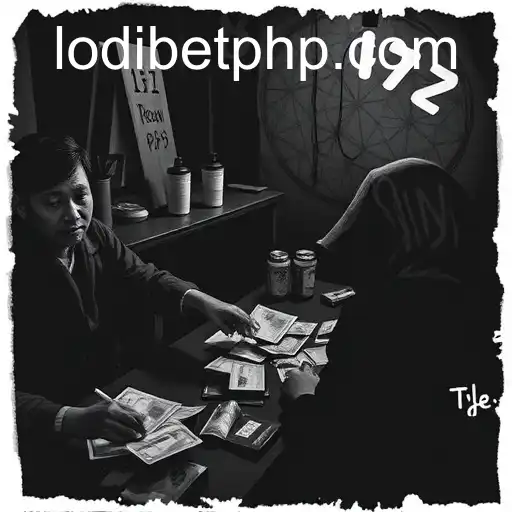
The Intricate World of Jueteng
Jueteng, an illegal numbers game, has long been embedded in the cultural fabric of the Philippines. Despite numerous attempts by the government to eradicate it, Jueteng remains resilient, thriving in many communities. This practice, often compared to a lottery, is deeply entrenched in Philippine society, presenting a complex web of challenges and opportunities.
The Mechanics of Jueteng
To understand Jueteng, one must first grasp its intricacies. The game operates based on a simple mechanism: players choose a set of numbers and place their bets. A winning combination is drawn, and whoever holds the correct number sequence takes home a substantial prize. Despite its simplicity, the clandestine nature of Jueteng adds a layer of complexity that enables it to elude legal suppression.
A Historical Overview
The origins of Jueteng date back to the Spanish colonial era, where it was introduced as a form of entertainment and relief for the masses. Over the years, it has survived various political regimes, illustrating its deep-rooted presence in the country. Jueteng has evolved into more than just a game; it is a reflection of the socio-economic dynamics and the resilience of the Filipino people in the face of adversity.
Challenges of Eradication
Efforts to eliminate Jueteng have often been met with resistance due to the game's perceived benefits in communities. It offers a glimpse of hope and an opportunity for quick financial gains among the economically disadvantaged. The involvement of influential figures and a pervasive network make enforcement efforts challenging, proving that Jueteng is more than just a game but a societal phenomenon.
Jueteng and Economic Impact
Jueteng's economic impact is multifaceted. On the one hand, it is a source of livelihood for those engaged in its operations, from collectors (known as "kubradors") to bet collectors and coordinators. These individuals see Jueteng as an integral part of their economic survival, often in regions where employment opportunities are scarce. On the other hand, Jueteng drains money that might otherwise be invested in legitimate, tax-paying enterprises, thus posing a challenge to the formal economy.
The Role of LODIBET
LODIBET, a name associated with gaming in recent times, emerges as an apparent alter ego to traditional Jueteng activities. It promises an organized, regulated alternative that could potentially capture a portion of Jueteng's market. By providing a legalized environment for betting, LODIBET claims to offer benefits such as player protection, honest gameplay, and a share in community development through taxes. However, integrating such systems into the existing socio-economic landscape is challenging, given the stronghold Jueteng has achieved over decades.
Social Implications
Beyond the economics, Jueteng has a powerful social element. It is an activity deeply woven into the daily lives of its participants, providing a sense of community and belonging. The social gatherings that often accompany Jueteng draws are events that transcend the game, reinforcing social bonds and a shared identity among players. LODIBET's challenge is to replicate or enhance these social elements if it seeks to capture the interests of traditional Jueteng players.
Political Dimensions of Jueteng
Jueteng is not just a game but a political instrument. It has historically funded political campaigns, influenced elections, and led to corruption scandals. Politicians often walk a fine line between enforcing anti-Jueteng laws and maintaining the goodwill of constituents who rely on the game for economic relief. This duality makes Jueteng both a political tool and a liability, shaping the strategies of aspiring and incumbent politicians alike.
Regulatory Challenges
The regulation of Jueteng presents significant hurdles for policymakers. Calls for legislation to differentiate organized gaming like LODIBET from traditional illegal operations are ongoing. Such distinctions aim to redirect funds to the public domain, improving transparency and accountability. Nonetheless, deep-seated habits and loyalties to local operatives make this shift slower and more complex than anticipated.
Future Outlook
As discussions about legalizing and regulating alternatives to Jueteng continue, the involvement of entities like LODIBET highlight potential paths forward. Integrating technology, ensuring fair play, and maintaining social dynamics will be critical to any successful transition. While Jueteng remains a contentious issue, the exploration of innovative gaming solutions offers hope for a controlled, beneficial future.
Conclusion
Without doubt, Jueteng poses a plethora of challenges and opportunities. It is a cultural artifact, an economic contributor, and a political influencer. As the dialogue evolves, entities like LODIBET may hold the key to redefining this age-old practice, shaping a future that honors tradition while nudging towards progress. Whether or not such efforts will succeed depends on understanding, cooperation, and the willingness to embrace change.